Posts

Showing posts with the label Head and neck cancer

Oral(Mouth) Cancer: Symptoms, Bleeding, Treatment and Diagnose
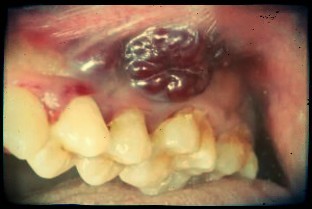
Image
What kinds of cancers are found in the mouth? The cancers of the mouth (oral cavity) include the lip, tongue, floor of the mouth, cheeks (buccal mucosa), and gums (gingivae). Who is at high risk to get cancer of the mouth? This cancer is predominantly found in men between the ages of 60 and 70. People who are heavy smokers (more than a pack a day), drink alcohol heavily, are over 45, and have a family history of this kind of cancer are at a higher risk to develop cancers of the oral cavity, the mouth, and the throat. Is cancer of the mouth easy to detect? Yes, it is usually discovered early, since it can be seen easily. White patches ( leukoplakia ), velvety red spots (erythroplasia), or dark patches are symptoms which should be seen by a doctor, who will do a biopsy of them. Many cancers of the mouth are first discovered by dentists. What are the symptoms of oral cancer? The warning signs of oral cancer are as follows: • A lump in the cheek that can be felt with the ...

How is cancer of the nose and sinuses treated? Synptoms and Operation

Image
What are the parts of the nose? The nose is made up of connective tissue (cartilage) and bone. It contains two cavities, which are separated in the middle by a septum. The nose serves as the organ of smell and is the airway for breathing. It filters, warms, and moistens the air which is breathed in. What are the sinuses? The sinuses are air spaces within the bones of the face and the skull. They connect through small openings (ostia) into the air passages in the nose. The soft, moist mucous lining which coats the inside of the nose extends into the sinuses. There are four types of sinus: frontal (within the bone just above and behind the eyebrows), maxillary (in the bones of the cheeks beneath the eyes), ethmoid (near the side of the nose and inner part of the eyes and going back into the skull), and sphenoid (in the skull above the level of the nose). Is cancer of the sinuses common? No. Cancer of the sinuses is very rare. Most often it is the maxillary sinus that is invol...

What is cancer of the oropharynx : Diagnosed , Symptoms and Treatment

Image
What is cancer of the oropharynx? Cancer of the region of the oropharynx includes the soft palate, tonsil, walls of the pharynx, and back third of the tongue. The most common site for this cancer is on the tonsil . Oropharyngeal epithelial cell carcinoma refers to cancer of the tonsils, the bottom and posterior third of the tongue, the taste bud , and therefore the posterior and lateral pharynx. epithelial cell carcinoma comprises quite 95% of oropharyngeal carcinoma. Tobacco and alcohol are important risk factors, but human papillomavirus (HPV) today causes most of those tumors. Symptoms include pharyngitis and painful and / or difficult swallowing. Treatment is with radiation, chemotherapy , or both, but primary surgery is becoming more common. The survival rate is far higher in HPV-positive patients. As with most head and neck cancers, non-HPV-related oropharyngeal cancer is more common in older men with a mean age of 61 years. Tobacco and alcohol remain the main risk facto...

Cancer of the Hypopharynx: Early Symptoms, Treated, Metastasis and Detect Cancer

Image
What is cancer of the hypopharynx? Cancers of the hypopharynx are tumors of the lower pharynx. They are found mostly in males from the ages of 49 to 60.Hypopharyngeal carcinoma may be a malignant neoplasm within the area of the hypopharynx (lower pharynx). Hypopharyngeal carcinoma may be a sort of laryngeal carcinoma. Alcohol abuse and nicotine abuse especially together favor the event of hypopharyngeal cancer. Furthermore, occupational exposure to metal dusts, coal and tar products, and asbestos cement are often carcinogenic. Poor oral hygiene, which results in a pathological composition of saliva, may be a risk factor. Hypopharyngeal carcinomas are usually moderately differentiated epithelial cell carcinomas. Piriform sinus carcinomas often have a submucosal spread pattern and show only the "tip of the iceberg" in . There are three clinical regions of the hypopharynx: Piriform sinus (approx. 90%) Posterior throat wall (approx. 5%) Post-cricoid region (app...

What kind of treatment is used in head and neck cancer?

Image
Are cancers of the head and neck common? Head and neck cancers constitute only about 5 percent of all cancers. They are not common cancers, especially in comparison with cancers of the breast, lung, or colon rectal areas. However, since they are difficult to manage and the team approach is most important in treating them, we discuss the major types of head and neck cancer in some detail in this blog. Do cancers of the head and neck metastasize to other parts of the body? Unlike many other types of tumor, tumors in the head and neck usually remain confined to that area. They do not tend to metastasize to distant parts of the body. However, they do tend to spread to lymph nodes in the area. What kind of treatment is used in head and neck cancer? As is true with most other types of cancer, treatment includes all three disciplines: surgery, radiotherapy, and chemotherapy . Surgery is the treatment most often used. Usually early tumors are treated by surgery with adjoining tis...

Head and neck cancer most common early symptoms

Image
What are the most common symptoms of head and neck cancer? The most common early symptoms differ depending upon the site. A small ulcer in the mouth is one symptom. It may first appear somewhere on the tongue, around the tonsils , or along the edges of the upper and lower gums. It may look like a cold sore. It is usually painless and unlike a cold sore it does not heal by itself. Difficulty in swallowing, continued hoarseness, a sore throat that persists, neck swelling, and a lump on the side of the neck are all early symptoms which, if they last for more than 2 weeks, should be checked by a doctor. Cancers of the head and neck are those that affect any part of the oral cavity: lip, tongue, mouth, ear, and throat, as well as the sinuses and sometimes muscles in the neck and upper back. Reconstructive surgery is a recent blessing for those who have cancers in any of these areas, for defects in the various facial structures such as eyes, ears, nose, mouth, lips, cheek and neck ca...