Posts

Showing posts with the label symptoms

Where does most tongue cancer occur: Symptoms, Red or white patches and Treatment

Image
Who is at high risk to get cancer of the tongue? Cancer of the tongue appears mostly in men who are over 40 although the proportion of women with tongue cancer is increasing, probably because of increased alcohol and tobacco use. Where does most tongue cancer occur? Most cancer of the tongue is situated at the tip or along the side of the tongue. It can usually be discovered early. What are the symptoms of tongue cancer? You might see deep red patches. Sometimes there are white patches. Sometimes the deep red patches turn bluish white. This is called leukoplakia, which represents an overgrowth of cells. There may be only a few spots or they may be on the whole tongue. Sometimes they will not hurt. They may be irritating and uncomfortable. The greatest danger of these patches is that if they are not treated, some of the area might turn into cancer. Some people complain of pain, which they usually think is a sore throat. It gets worse when they talk and swallow. Sometimes t...

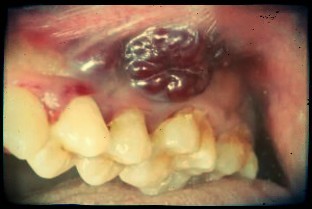
Cheek Cancer Metastasize: Symptoms, Risky Peoples, Diagnosis and Treatment

Image
Who is at high risk for cancer of the cheek? Cancer of the inside of the cheek (sometimes referred to by doctors as buccal mucosa) occurs more often in males over the age of 55. It is believed that persons who chew tobacco and betel nuts or who bite their cheeks are at a higher risk of getting cancer of the cheek. What are the symptoms? The symptoms include a sore inside the cheek which does not heal, bloody saliva, and white patches inside the cheek. There is usually no pain. Does cancer of the cheek metastasize? Cancer of the cheek is usually slow growing. It also has a relatively low rate of metastasis. How is cancer of the cheek diagnosed? It is diagnosed by direct inspection and feeling by the doctor. Final diagnosis is by biopsy. How is cancer of the cheek treated? Early stages ofcancer ofthe cheek are treated with radiation or by surgery. Advanced cancer of the cheek is treated by surgery, followed by radiation and sometimes chemotherapy.

Oral(Mouth) Cancer: Symptoms, Bleeding, Treatment and Diagnose

Image
What kinds of cancers are found in the mouth? The cancers of the mouth (oral cavity) include the lip, tongue, floor of the mouth, cheeks (buccal mucosa), and gums (gingivae). Who is at high risk to get cancer of the mouth? This cancer is predominantly found in men between the ages of 60 and 70. People who are heavy smokers (more than a pack a day), drink alcohol heavily, are over 45, and have a family history of this kind of cancer are at a higher risk to develop cancers of the oral cavity, the mouth, and the throat. Is cancer of the mouth easy to detect? Yes, it is usually discovered early, since it can be seen easily. White patches ( leukoplakia ), velvety red spots (erythroplasia), or dark patches are symptoms which should be seen by a doctor, who will do a biopsy of them. Many cancers of the mouth are first discovered by dentists. What are the symptoms of oral cancer? The warning signs of oral cancer are as follows: • A lump in the cheek that can be felt with the ...

What is cancer of the oropharynx : Diagnosed , Symptoms and Treatment

Image
What is cancer of the oropharynx? Cancer of the region of the oropharynx includes the soft palate, tonsil, walls of the pharynx, and back third of the tongue. The most common site for this cancer is on the tonsil . Oropharyngeal epithelial cell carcinoma refers to cancer of the tonsils, the bottom and posterior third of the tongue, the taste bud , and therefore the posterior and lateral pharynx. epithelial cell carcinoma comprises quite 95% of oropharyngeal carcinoma. Tobacco and alcohol are important risk factors, but human papillomavirus (HPV) today causes most of those tumors. Symptoms include pharyngitis and painful and / or difficult swallowing. Treatment is with radiation, chemotherapy , or both, but primary surgery is becoming more common. The survival rate is far higher in HPV-positive patients. As with most head and neck cancers, non-HPV-related oropharyngeal cancer is more common in older men with a mean age of 61 years. Tobacco and alcohol remain the main risk facto...

Salivary gland tumors: How to treat, symptoms and after operation.

Image
Where are the salivary glands? The major salivary glands are in the sides of the face, in front of and slightly below the ears. These salivary glands are also known as parotid glands . The saliva gets from these glands to the mouth through parotid ducts, which open on the inner surfaces of the cheeks. There is also a pair of glands in the lower jaws (submandibular glands) and under the tongue (sublingual glands). The ducts from these glands open into the floor of the mouth underneath the tongue. Where are tumors of the salivary glands found? Tumors of the salivary glands are most often found in the parotid glands. Most often these tumors are not malignant. They are either on the outer surface of the parotid gland, which is near the ear, or in the inner surface, which is in the mouth. Benign parotid gland tumors are usually painless and slow growing. Malignant tumors ofthe parotid tend to grow rapidly. Sometimes a tumor seems to be benign for many years and then suddenly becom...

Testicular Cancer:Diagnosis,symptoms,types,treatments and all questions

Image
How is testicular cancer usually discovered? Most testicular cancers are discovered by patients themselves, by accident or by practicing a simple exam known as TSE or testicular self examination. TSE is usually done once a month, during or soon after a warm bath or shower. While standing, the man gently rolls one testicle between his thumb and fingers, checking for lumps, swelling or other changes. The process is repeated for the other testicle. Is testicular cancer a common type of cancer? No, it is not. Testicular cancer actually accounts for only 1 percent of all cancer in males and about 3 percent of cancer of the male urogenital organs. However, in the age group where it occurs in white men from 20 to 34 it is the most common cancer, accounting for 22 percent of all cancers for this age group. It is also the second most common cancer in men from ages 35 to 39 and the third most common from 15 to 19. Thanks to treatment advances in the last 10 years, testicular cancer is c...

Are all colon and rectum tumors cancerous?

Image
What is the CEA test? Research is under way to discover specific antigens, or biological markers, that might indicate the presence of colorectal cancer . One of these antigens, carcinoembroyonic antigen or CEA, may be found in greater amounts in the blood of patients with colorectal cancer. It has been suggested that this marker may be useful in showing at an early stage whether the cancer has recurred in some patients who had been treated for colorectal cancer previously. However, this test cannot be used alone in diagnosing colorectal cancer. What are some of the symptoms of a tumor in the rectum or colon?  Rectal bleeding, red blood in the stool, jet black stools, a change in bowel habits or the size of the stool, alternating constipation and diarrhea, crampy abdominal pains, weakness, loss of weight, and loss of appetite. Sometimes you will see a streak of blood in the stool only once. It is important that any sign be checked by a doctor. If tumors are found, must th...